
EV Charging Explained | ZEEKR Berwick
September 28, 2026 12:51 pmEV Charging Explained: A Guide for New Electric Car Owners
From charging at home to using public fast chargers, understanding the basics can make the move to an electric vehicle feel much simpler.
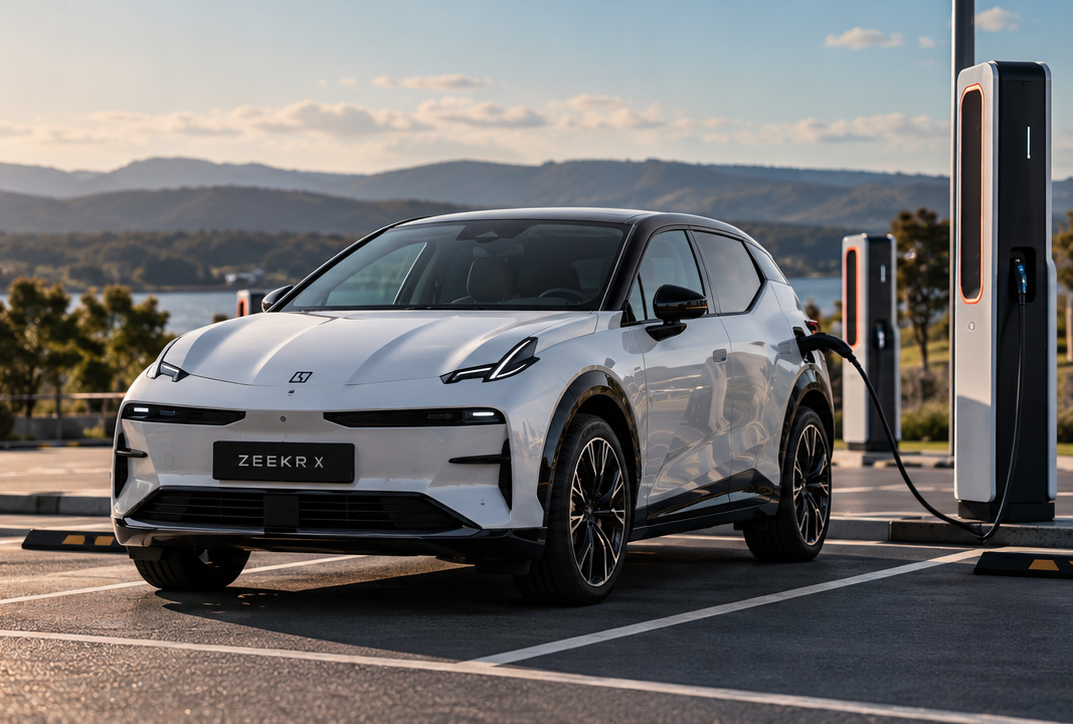
New to electric vehicles? Charging is one of the biggest changes from owning a petrol or diesel vehicle, but it does not need to be complicated.
Electric vehicles can be charged in several different ways, from charging overnight at home to adding energy during a longer journey at a public fast-charging station.
Understanding how each option works can help you choose an EV and charging routine that suits your everyday driving.
How does EV charging work?
Instead of filling a fuel tank, an electric vehicle stores energy in a rechargeable battery. Connecting the vehicle to a compatible charging source transfers electrical energy into that battery.
EV charging is generally discussed in terms of AC charging and DC fast charging. AC charging is commonly associated with homes, workplaces and destinations where a vehicle may remain parked for longer periods.
DC fast charging is typically used when drivers want to add energy more quickly, including during longer journeys.
Where can you charge an electric vehicle?
One advantage of electric driving is that charging can happen while the vehicle is already parked. Depending on your circumstances, your routine may combine several different charging options.
Overnight at home
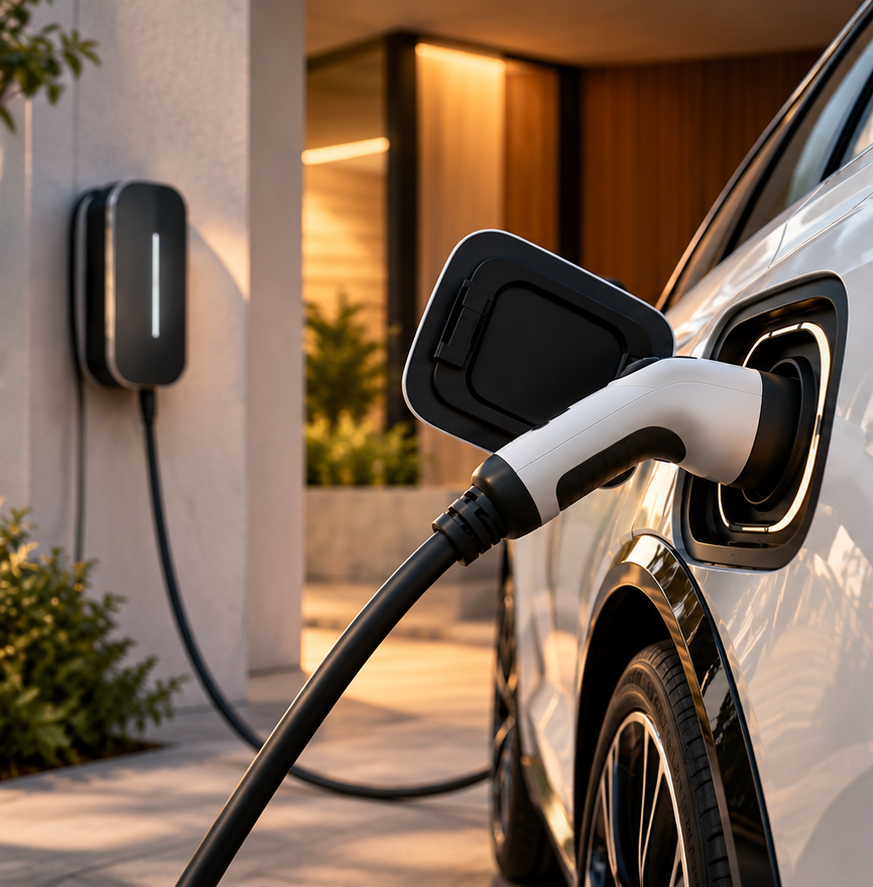
If you have suitable off-street parking and an approved home charging setup, overnight charging can be a convenient way to begin the day with the energy you need.
At work or destinations
Workplaces, shopping centres, hotels and other destinations may provide AC or DC charging. These can be useful because the vehicle charges while you are doing something else.
Quick public top-ups
DC fast chargers can be useful when you need to add energy more quickly. Actual charging performance varies by vehicle, charger and conditions.
Long-distance travel
For road trips, plan charging stops around compatible locations and allow a sensible buffer. Checking your route before departure can make the journey more predictable.
What affects EV charging speed?
Charging speed is not determined by the charging station alone. The vehicle, battery and conditions all influence how quickly energy can be added.
This is why the maximum output printed on a charger does not automatically mean every EV connected to it will charge at that rate.
The vehicle’s charging capability
Every EV has its own maximum supported AC and DC charging rates. Specifications can also vary between models and variants.
Battery state of charge
Fast-charging speeds often vary through a session rather than staying at one peak rate. Charging behaviour can change as the battery fills.
Conditions and battery management
Temperature and vehicle battery-management systems can influence charging. Follow the vehicle manufacturer’s guidance for normal charging and battery care.
Home charging vs public charging
Most EV drivers will use a combination of charging options. The best choice depends on your parking access, daily kilometres, travel patterns and available infrastructure.
This quick comparison can help you decide where each option fits into your routine.
| Charging option | Best suited to | What to consider |
|---|---|---|
| Home AC charging | Regular overnight or routine charging | Parking access, electrical assessment and charger installation |
| Destination charging | Work, shopping, hotels and longer parked periods | Availability, connector compatibility and parking conditions |
| Public DC fast charging | Quicker top-ups and longer journeys | Vehicle charge capability, charger output, pricing and availability |
| Mixed charging routine | Drivers with varied weekly travel | Plan around the most convenient combination for your lifestyle |
Do you need a home charger to own an EV?
Not necessarily. Some drivers rely on workplace, destination or public charging, particularly when they do not have suitable off-street parking.
However, home charging can be convenient for drivers who can install an appropriate setup. Any installation should be assessed and completed by a suitably qualified professional in accordance with applicable requirements.
Before choosing an EV, consider where the vehicle spends most of its parked time. Your charging routine should suit your real week, not an idealised one.
Charging a ZEEKR in Australia
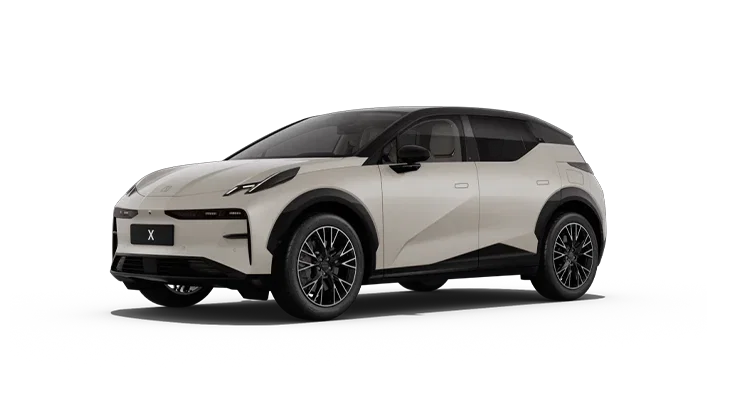
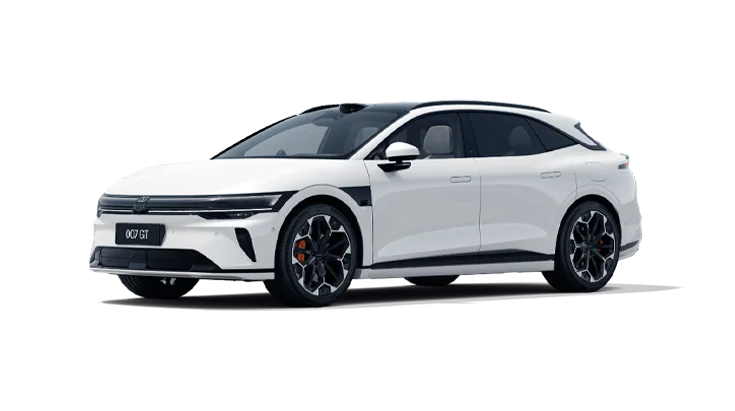
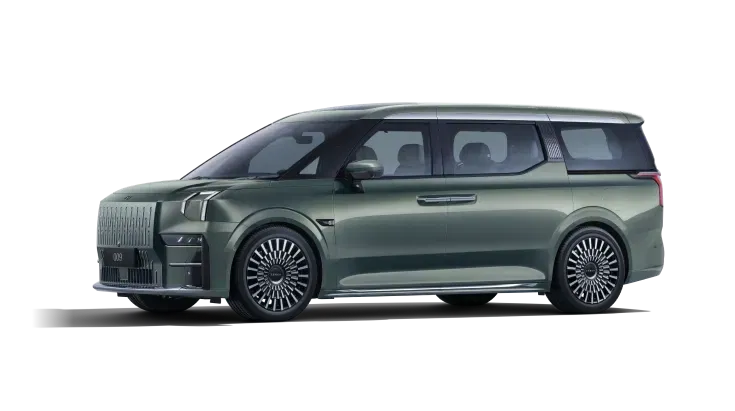
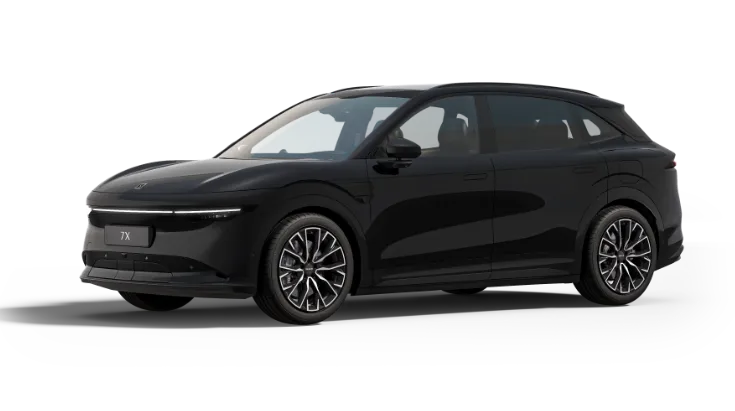
ZEEKR models sold in Australia have model- and variant-specific AC and DC charging capabilities. The current ZEEKR X and ZEEKR 7X pages publish charging specifications for their Australian variants, so it is important to check the exact vehicle you are considering.
Berwick ZEEKR can help you compare the current range and explain the published charging specifications for the model and variant that interests you.
Check the exact variant
Do not assume every version of a model charges at the same maximum rate. Confirm the specification for the exact Australian-market variant before planning around a particular charger speed.
Think about your normal week
Estimate your usual commuting, school-run, shopping and weekend kilometres. This gives you a more useful picture of how often you may need to charge.
Plan occasional long trips separately
Your everyday charging routine does not have to be designed around your longest annual road trip. Public fast charging can form part of a separate plan for longer journeys.
Explore electric driving with ZEEKR Berwick
Explore the New ZEEKR X , learn about the ZEEKR 7X , or read about ZEEKR service and ownership support to build a clearer picture of EV ownership.
If charging is one of the questions holding you back from considering an EV, seeing the vehicle and discussing your normal driving routine can help turn charger terminology into a practical ownership plan.
Ready to learn more about ZEEKR?
Speak with the ZEEKR Berwick team about current vehicles, charging specifications and the questions that matter for your driving routine.
Contact ZEEKR BerwickEV charging FAQs
What is the difference between AC and DC EV charging?
AC charging is commonly used for home and destination charging, while DC fast charging is designed to deliver energy to the battery more quickly. The charging rate you receive depends on both the charger and the vehicle.
Can I charge an EV at home?
Many EV owners charge at home where suitable parking and electrical infrastructure are available. A home charging installation should be assessed and completed by an appropriately qualified professional.
Is fast charging always the best option?
Not for every situation. Faster public charging is useful when time matters, while slower AC charging can suit periods when the vehicle is parked for longer, such as overnight.
Why can EV charging speed change during a session?
Charging rate can vary with battery state of charge, temperature, charger output, the vehicle’s charging limits and battery-management decisions. Peak figures are not necessarily maintained for an entire session.
Where can I learn about charging specifications for a ZEEKR?
Check the published Australian specifications for the exact ZEEKR model and variant you are considering, or contact ZEEKR Berwick for current vehicle information.